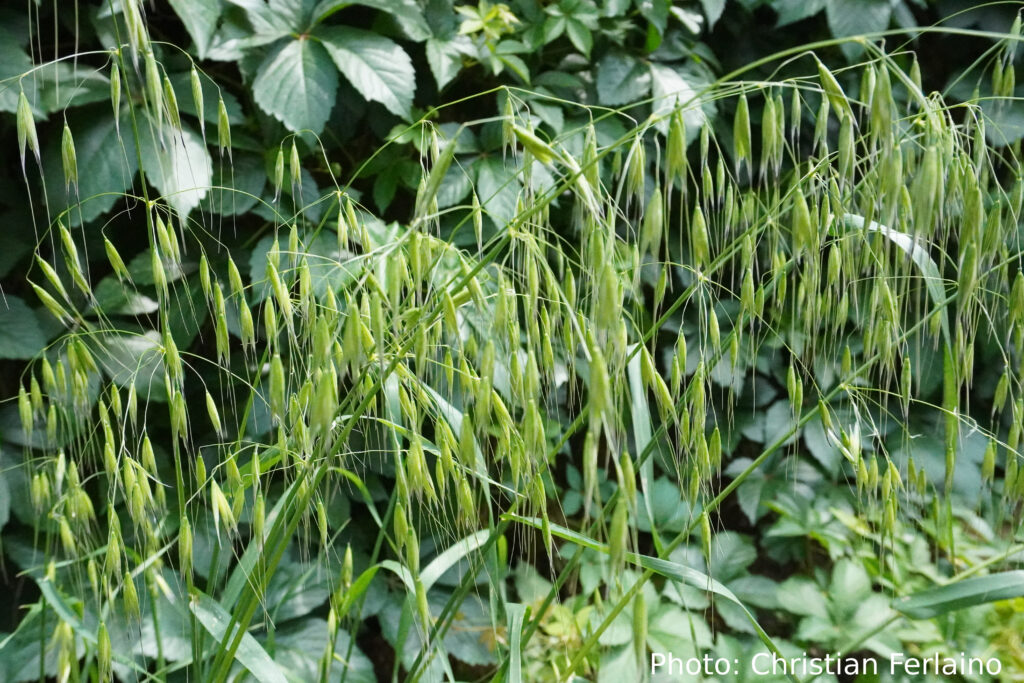
Field research is progressing, and precious information is emerging. New informants have brought to light a series of instruments that show a special relationship between sound and ecology. This is the time of the year when chestnut trees produce new shoots, the common wild oat (Avena Fatua) grows ubiquitous in the countryside, and onion is ripening in the fields.
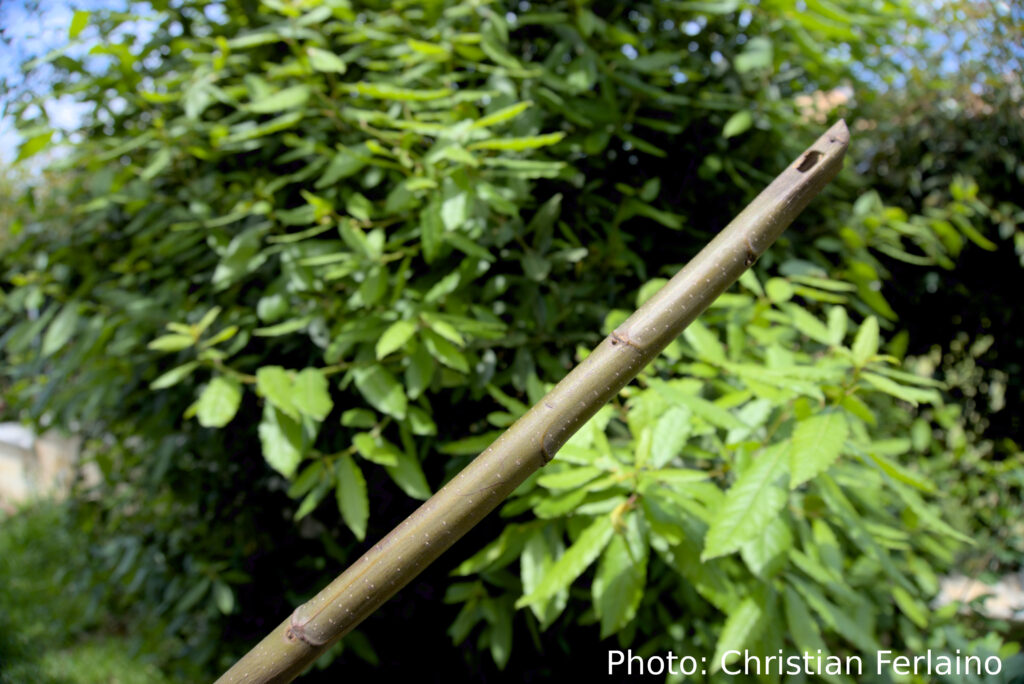
Each of these plants is used now to make sounding instruments. These take advantage of the specific features the plants develop at this particular life cycle stage. Buds in the chestnut branches have yet to grow, and peeling the bark to obtain a pipe is possible. A few expert cuts with a knife, and an overtone flute is born.
Wild oats’ stalk is hollow and segmented with nodes, which makes it possible to build a single-reed instrument. One makes the reed with a longitudinal cut from the node down, and the instrument is ready. Some made two instruments with finger holes along the stalk and used them to learn the bagpipes.
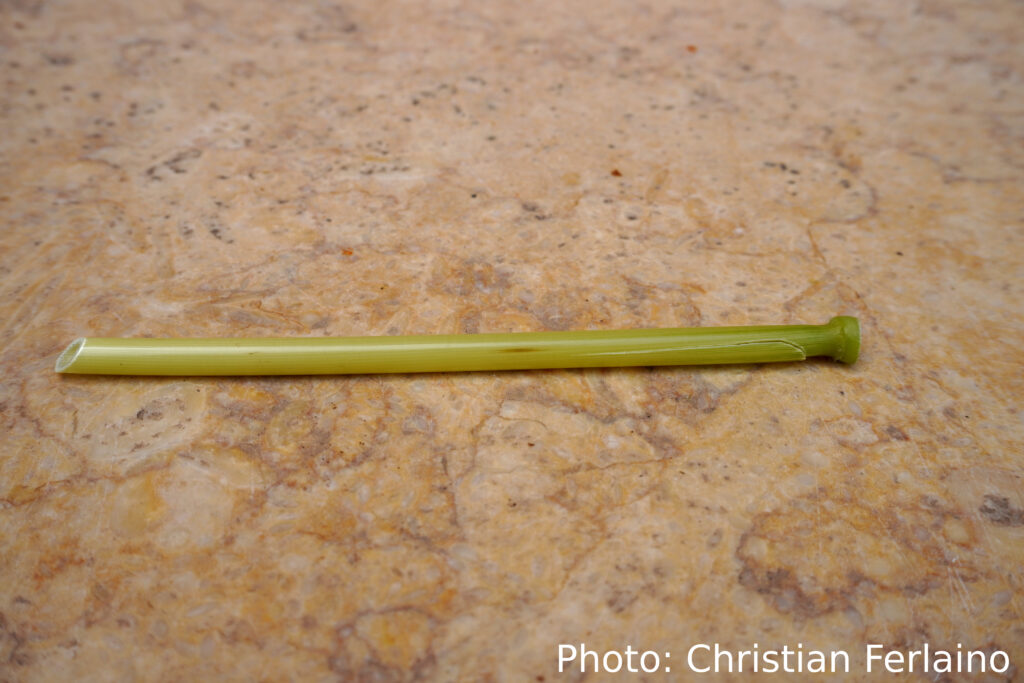
The hollow leaf of fresh onions is also used to make sounds. The leaf is cut and softened on the fire. The heat renders the leaf floppy, almost like a balloon. The tip is severed, and the instrument is ready. Blowing from the bottom of the leaf produces a sound similar to the hen’s cackle, as an informant described.
Many other plant parts are used in this time of year to make sounding instruments, including fennel leaves, zucchini and pumpkin leaves, bay tree leaves and twigs. All these instruments are ephemeral, lasting from a few hours to a few days. The ecological implications of these instruments are strongly evident. They can only be made by taking advantage of the plants’ properties in this season. Their sound lives for a short period and speaks of a special relationship with nature and time.